





Privacy 101
Moving Soon? Stop Your New Address From Spreading Online
August 27, 2026
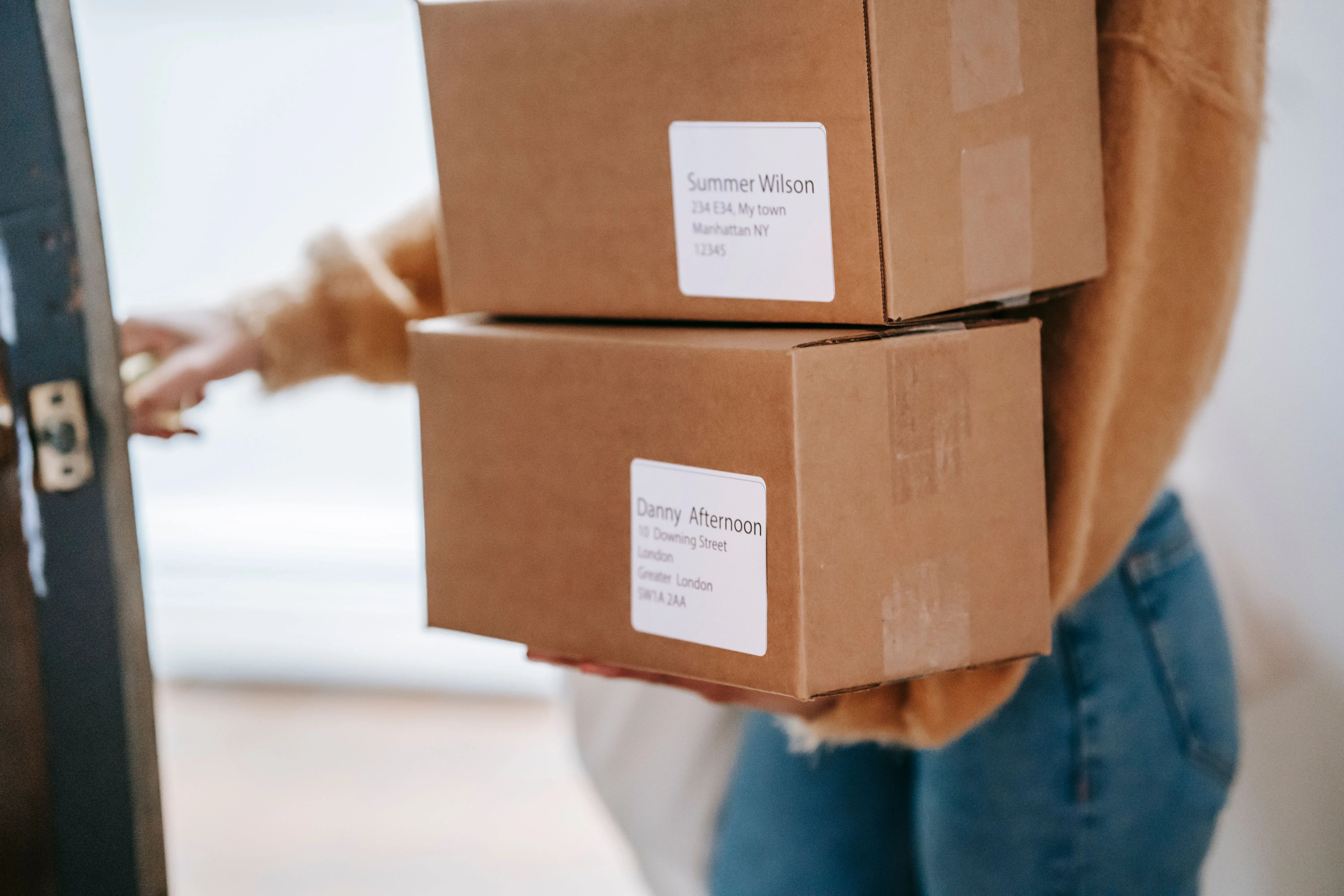
Moving soon? Stop your new address from spreading online
Moving means updating a lot of records in a short period of time. USPS, utilities, your driver's license, insurance, voter registration, banks, and other accounts may all need your new address.
Most of those updates are necessary. But every new record also creates another connection between your name and where you live.
The best approach is to be selective before the move, use the right USPS mail service, notify important organizations directly, and check People Search Sites after you move. You can't guarantee that your address will never appear online, but you can limit unnecessary exposure and catch problems early.
Why moving creates a privacy trail
A move doesn't create just one new record.
Your USPS Change of Address is one. Your electricity or internet account is another. Then there may be your DMV record, voter registration, insurance, lease, mortgage, and other accounts.
There's nothing inherently wrong with these records. Many organizations legitimately need your current address.
The concern is what happens when information from different sources gets collected and connected.
That's where Data Brokers and People Search Sites come in.
A Data Broker collects personal information from sources such as public records, online activity, purchases, and business relationships, then combines or shares that information. People Search Sites are a type of Data Broker that compile personal information into searchable reports, which can include current and previous addresses, phone numbers, relatives, and other details. FTC explanation of Data Brokers and People Search Sites
You may never have given a particular People Search Site your address yourself. That doesn't necessarily mean they don't have it.
For a deeper look at where this information comes from, see Privacy Bee's How Do Data Brokers Get My Information?.
Why the timing matters
When you're moving, you know exactly when your address is changing and which organizations you're contacting.
That gives you an opportunity to be intentional about your information.
Instead of updating every account you've ever created at once, start with organizations that genuinely need your new address. Keep track of who receives it, then check what appears online after the move.
There's no reliable timeline for when a new address might appear on a People Search Site. Different sites rely on different sources, and those sources are updated at different times.
It's easier to catch unnecessary exposure early than to discover it months later.
Before you move
1. Figure out who actually needs your new address
Before changing your address everywhere, make a list of the organizations that need accurate information.
This may include:
Your employer
Banks and financial institutions
Insurance providers
Utilities
Government agencies
Your landlord or mortgage provider
Then look at less important accounts such as old shopping accounts, subscriptions, newsletters, and memberships.
Ask yourself:
Does this company actually need to know where I live?
If the answer is no, there's no reason to rush.
2. Choose the right USPS option
USPS offers several services that are useful when you're moving, but they aren't interchangeable.
Permanent forwarding: Use a permanent Change of Address when you're moving to a new address and want eligible mail forwarded from your old address. USPS Change of Address information
Temporary forwarding: Use temporary forwarding when you're away for a limited period and expect to return to your original address. USPS Mail Forwarding Options
USPS Hold Mail: Hold Mail temporarily stops mail delivery at an address. It doesn't forward your mail to another address. USPS says Hold Mail requests can last from 3 to 30 days. USPS Hold Mail information
Notify important senders directly: Don't rely on forwarding alone. Update banks, insurers, government agencies, employers, utilities, and other important organizations directly.
A USPS Change of Address is also different from simply publishing your new address online. USPS maintains the National Change of Address system, which is used to create NCOA Link data that licensed organizations can use to update mailing lists. USPS NCOA Link information
3. Don't update everything at once
It's tempting to think, "I'll just get everything done today."
But doing that can mean giving your new address to companies you haven't used in years.
Start with the important organizations. Then work through everything else.
This gives you a better idea of exactly who has your new address and where you've chosen to share it.
What about your moving company?
Moving companies and storage facilities obviously need to know where you're moving from and where you're going.
Depending on the service, they may also have your phone number, moving date, billing information, and other details connected to the move.
That doesn't mean you should assume they'll misuse your information.
Just remember that they're another company with your address.
Before signing up, take a quick look at the company's privacy policy. If you're concerned, ask how customer information is handled and whether it is shared with third parties.
Keep moving contracts, storage agreements, receipts, and other paperwork somewhere secure, too. These documents can contain your full address.
Moving day: Keep track of who has your address
Moving day probably isn't the time to obsess over privacy.
But keeping a basic record can help later.
Note the companies and services that received your new address, including:
Moving companies
Storage facilities
Contractors
New service providers
Other businesses involved in the move
If you eventually find your address somewhere unexpected, you'll have a starting point for figuring out where the information may have come from.
After you move
4. Update your driver's license and vehicle records
If your state requires an address update, complete it.
Your driver's license and vehicle records are official records, so keeping them accurate is more important than trying to avoid creating another record.
Just understand that your new address is now connected to another official source of information.
5. Update your voter registration
If you're registered to vote, update your address after moving.
USAGov says voters who move to a new address must update their voter registration, with the exact process depending on the state. USAGov voter registration guidance
Voter-record privacy also varies by location. What information is available and how it can be accessed depends on state and local rules.
If you have a serious safety concern, research the privacy protections available in your state before completing the update.
For people facing stalking, sexual assault, domestic violence, or similar safety concerns, an Address Confidentiality Program (ACP) may also be available. These programs can provide eligible participants with a substitute address for certain official purposes, helping keep their actual address private from public records. Rules vary by state. U.S. Department of Justice information on Address Confidentiality Programs
6. Set up utilities and update insurance
Electricity, water, internet, and insurance are part of getting settled.
They're also additional records connecting your identity with your new address.
That information may eventually become part of broader Data Broker profiles because Data Brokers combine information from different sources to build consumer profiles. FTC information on Data Brokers
That doesn't mean your utility company is directly sending your address to a People Search Site.
The bigger point is that every new record creates another place where your information exists.
7. Go through your subscriptions
Once the important updates are done, review less important accounts.
Does an old shopping account still need your home address?
Does a subscription service actually need it?
What about accounts you haven't touched in years?
You don't need to clean up every account you've ever created. Just avoid automatically giving your new address to companies that don't actually need it.
Check your address on People Search Sites
After moving, search your name and look for your new address.
You may find nothing. You may find an old address. Or you may find your new address already listed.
If you find your information, look for the site's opt-out or removal process.
The FTC recommends searching People Search Sites, following their opt-out procedures, and checking periodically because information can reappear or remain available through other sources. FTC guidance on People Search Sites
Privacy Bee's Why People Search Site Removal Is Hard explains why information can return after an opt-out and why ongoing monitoring matters.
This is where ongoing monitoring can be useful. Instead of manually checking every People Search Site repeatedly, Privacy Bee can help identify exposed personal information and manage removal requests.
What if my new address is already there?
Don't panic.
Finding your address on one site doesn't mean it's everywhere.
Start with the site where you found it and follow its removal or opt-out instructions. Then check other People Search Sites.
Remember that opting out of one site doesn't necessarily remove the underlying public record, and your information can reappear when a site's sources are updated. FTC People Search Site guidance
That's why address removal is better treated as an ongoing process rather than a one-time cleanup.
Build this into your next move
Address privacy isn't a one-time task.
Before moving, think about who actually needs your new address. During the move, keep track of the companies and paperwork that have it. After moving, complete the required updates and check what is showing up online.
You don't need to make your address completely invisible. You probably couldn't.
But you can be more careful about where you give it out and respond quickly when your information appears somewhere you don't expect.
If you want to see what personal information is already exposed online, start with a free Privacy Bee exposure scan.
Run the free Privacy Bee exposure scan
FAQ
Does USPS share my new address with Data Brokers?
USPS maintains the National Change of Address system, which supports licensed organizations that use address information to update mailing lists. NCOALink contains permanent Change of Address records submitted to USPS and provides that data to licensed organizations. That is different from saying USPS simply publishes your new address on public People Search Sites. USPS NCOALink information
How fast do People Search Sites pick up a new address?
There isn't one reliable timeline. Different People Search Sites receive information from different sources, which may update at different times. Checking your name after moving is more useful than assuming you have a specific number of days before your address appears.
What's the difference between mail forwarding and USPS Hold Mail?
Mail forwarding redirects eligible mail from your old address to another address. USPS Hold Mail temporarily stops delivery at an address instead. Hold Mail is designed for short periods when you aren't receiving mail at that address, not for permanently moving to another home. USPS Mail Forwarding Options USPS Hold Mail information
How can I protect my address after moving?
Give your new address only to organizations that actually need it, complete required government and service updates, and check People Search Sites after the move. If you find your address, use the site's opt-out or removal process and continue monitoring afterward. FTC People Search Site guidance
What should I do if my address is already online?
Find the site displaying it and look for its removal or opt-out process. Then check other People Search Sites because the same information may appear elsewhere. Keep checking periodically rather than assuming one removal request will permanently solve the problem.